Understanding Surgical Orthodontic Procedures Under General Anesthesia for Severe Jaw Misalignment
For patients struggling with severe jaw misalignment, seeking orthodontic solutions often comes with a mix of hope and uncertainty. Beyond improving smiles, correcting significant issues with jaw alignment can profoundly enhance quality of life, making everyday actions like speaking and chewing more comfortable.
But for cases requiring surgical intervention, questions about the process, safety, and recovery understandably arise. At Glimmer Orthodontics in Salem, NH, led by board-certified orthodontist Dr. Caroline Tahk, we’re here to support you every step of the way and provide the information you need to feel confident about your care.
What Are Surgical Orthodontic Procedures, and Why Might They Be Necessary?
Surgical orthodontic procedures, also known as orthognathic surgery, address severe jaw misalignment issues that traditional orthodontic treatments, such as braces or aligners, cannot fully resolve. This type of treatment may be recommended for patients facing significant functional issues, including:
- Difficulty chewing or biting due to misaligned jaws
- Chronic jaw pain or discomfort
- Improper bite alignment (underbite, overbite, crossbite, open bite)
- Facial asymmetry caused by jaw discrepancies
These surgical procedures aim to correct the alignment of the jaws, restoring proper function and often enhancing facial aesthetics. While this may sound intimidating, advances in technology and anesthesia make the process safer and more effective than ever before.
Why Severe Jaw Issues May Require General Anesthesia
Orthognathic surgery involves repositioning the bones of the upper and/or lower jaw, which can be a complex process. To promote both precision and patient comfort, these procedures are typically performed under general anesthesia in a hospital or surgical center setting. Here’s why general anesthesia is the standard:
- Pain-Free Experience: General anesthesia ensures you are completely unconscious and feel no discomfort during surgery.
- Optimal Surgery Conditions: A motionless environment allows the surgical team to work with precision, achieving the best possible outcomes.
- Comprehensive Care: General anesthesia enables longer, more complex procedures to be carried out safely and effectively.
At Glimmer Orthodontics, Dr. Caroline Tahk closely collaborates with skilled oral and maxillofacial surgeons to design a treatment plan tailored to your needs. You can trust that your well-being is the top priority every step of the way.
The Benefits of Correcting Severe Jaw Misalignment
For many patients, the results of surgical orthodontic procedures extend far beyond reducing pain or discomfort. They include transformative benefits such as:
- Improved Function: Properly aligned jaws can vastly enhance your ability to chew, speak, and breathe comfortably.
- Boosted Confidence: A balanced, symmetrical smile often contributes to greater self-esteem and social comfort.
- Long-Term Oral Health: Proper jaw alignment reduces strain on teeth and gums, lowering your risk of issues like enamel wear or gum disease.
If you’ve been frustrated with chronic jaw pain, difficulty speaking, or a misaligned bite, orthognathic surgery may be the life-changing solution you’ve been waiting for.
What to Expect During the Surgical Orthodontic Journey
Surgical orthodontics is a highly organized, multi-step process designed to ensure successful outcomes. At Glimmer Orthodontics, we guide you through every stage with personalized care and cutting-edge technology.
Pre-Surgical Orthodontic Treatment
Before surgery, braces or clear aligners are often used to align your teeth, creating the perfect foundation for jaw correction. This phase typically lasts 12-18 months.
Collaborative Surgical Planning
We partner with experienced surgeons to develop a precise surgical plan, using advanced imaging and digital technology to map out every detail. Our tech-forward approach ensures accuracy and comfort throughout your treatment journey.
Day of Surgery
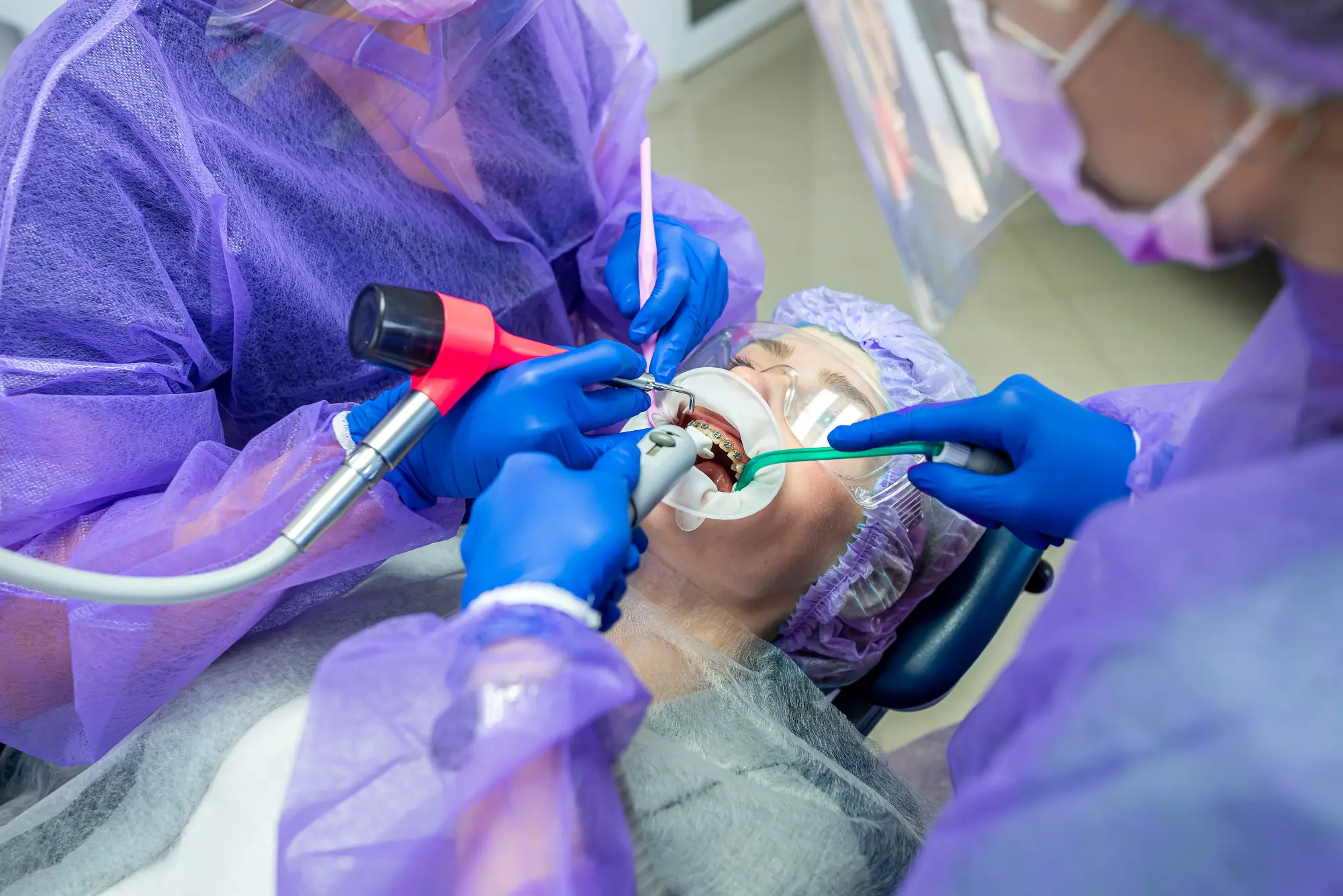
On the day of surgery, general anesthesia will be administered to ensure you are completely at ease. The procedure can take several hours, depending on the complexity of your case. Once complete, you’ll spend time in recovery before heading home.
Post-Surgery Recovery
Recovery typically involves a few weeks of rest and limited activity. Swelling and discomfort are normal but should subside significantly within the first two weeks. The initial recovery period takes 6-10 weeks for most patients. We provide clear instructions and support to ensure your recovery goes smoothly.
Post-Surgical Orthodontic Treatment
After your jaw has healed, your orthodontic treatment will continue for 6-18 months to further refine your bite and finalize your results. This varies patient-by-patient. Rest assured, all of this work will be worth it once you see your beautiful, straight smile at the end of your treatment!
Your Comfort-First Experience at Glimmer Orthodontics
Choosing orthognathic surgery is a significant decision, and your comfort and confidence matter deeply to us. At Glimmer Orthodontics, we offer a thoughtfully designed office experience to keep you at ease, including kid-friendly amenities, beverage options, and serene operatories designed with relaxation in mind.
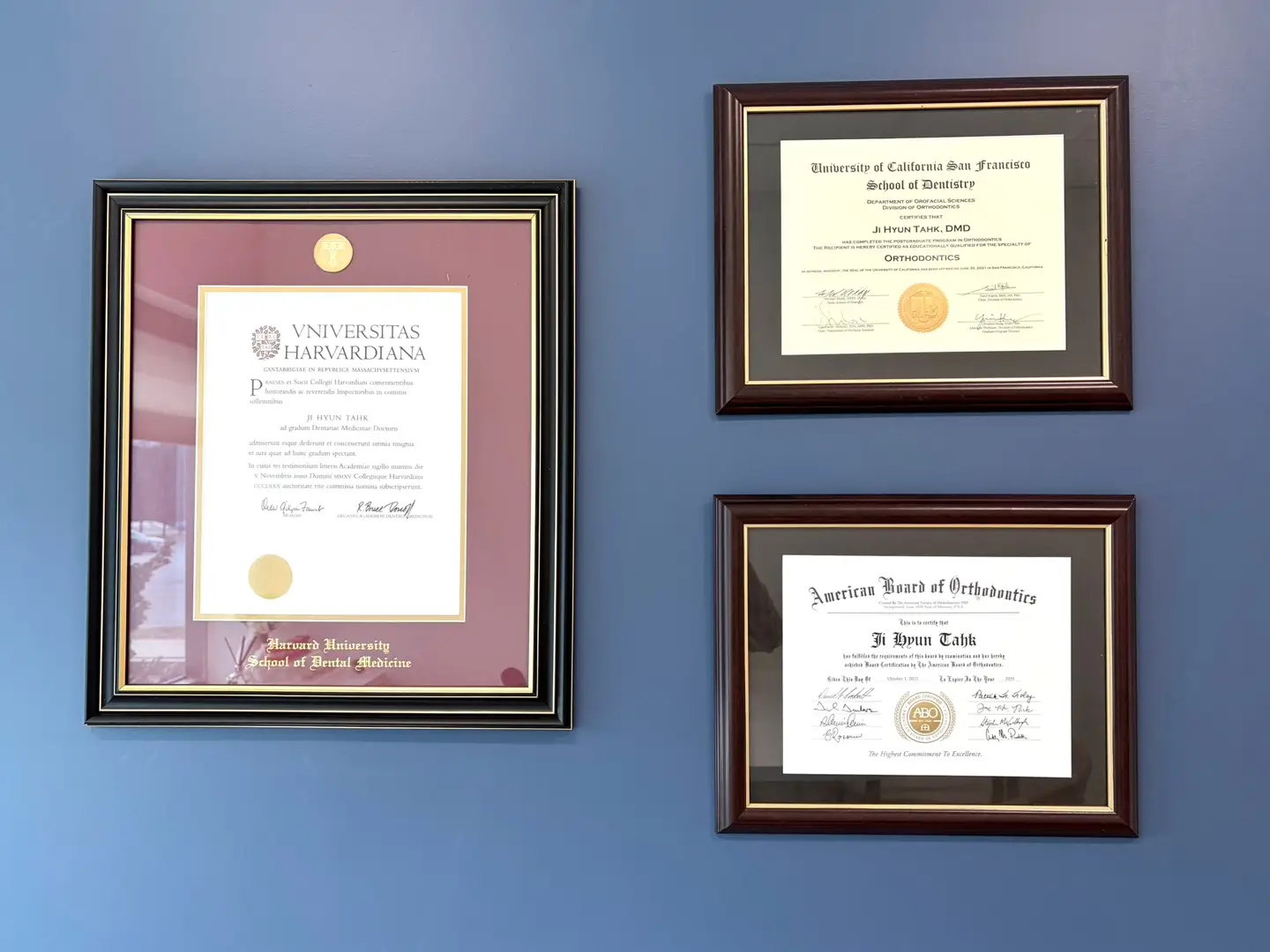
With Dr. Caroline Tahk’s advanced credentials, including board certification in orthodontics, Harvard dental training, and UCSF orthodontic training, you can feel assured that your smile is in exceptional hands.
Ready to Explore Life-Changing Orthodontic Solutions?
Severe jaw misalignment may feel overwhelming, but Glimmer Orthodontics is here to guide you toward a healthier, more confident future. Whether you’re exploring orthognathic surgery or simply wondering about next steps, our compassionate team is ready to help.
Call us today at (603) 912-7878, or contact us to schedule a consultation with Dr. Caroline Tahk. Together, let’s discover how transformative orthodontic care can enhance your life and your smile.
Related Posts
What Happens If You Stop Wearing Your Retainer?
Understanding Surgical Orthodontic Procedures Under General Anesthesia for Severe Jaw Misalignment
Traditional Metal Braces vs. Cosmetic Ceramic Braces: Which is Right for You?